
Resources
Outdoor Sensory Play
Outdoor sensory play with open-ended materials — things kids can mix, blend, scoop, and explore without adult direction — is such an important way to support tactile processing, motor planning, praxis and fine motor skills. It is often very regulating and can keep a child happily engaged in independent play for longer stretches of time. Below are ideas, tools, and strategies to help you set up this kind of play at home.
Sensory Tables
A sensory table is a great place to start. Options vary in size, material, and cost, and many can be found second-hand. There is also a very reasonably priced one at Ikea. The key features to look for are removable bins and lids, which make cleaning and swapping out materials easier between uses.


Placing a vinyl covering or splat mat under the sensory table helps protect tile, wood, or other floor surfaces. These coverings can be wiped down quickly and stored away when play is finished.


“Ingredients”
It’s helpful to keep a small collection of “ingredients” on hand so you can rotate materials and keep play feeling fresh. Storing these in easy-to-open containers allows your child to access them more independently while still keeping things relatively clean and organized. A few of our favorites:

Corn starch
Shop on Amazon →

All-purpose flour
Shop on Amazon →

Bath color fizzies
Shop on Amazon →

Fluffy foam soap
Shop on Amazon →

Shaving cream
Shop on Amazon →

White rice
Shop on Amazon →

Crayola bathtub fingerpaint
Shop on Amazon →
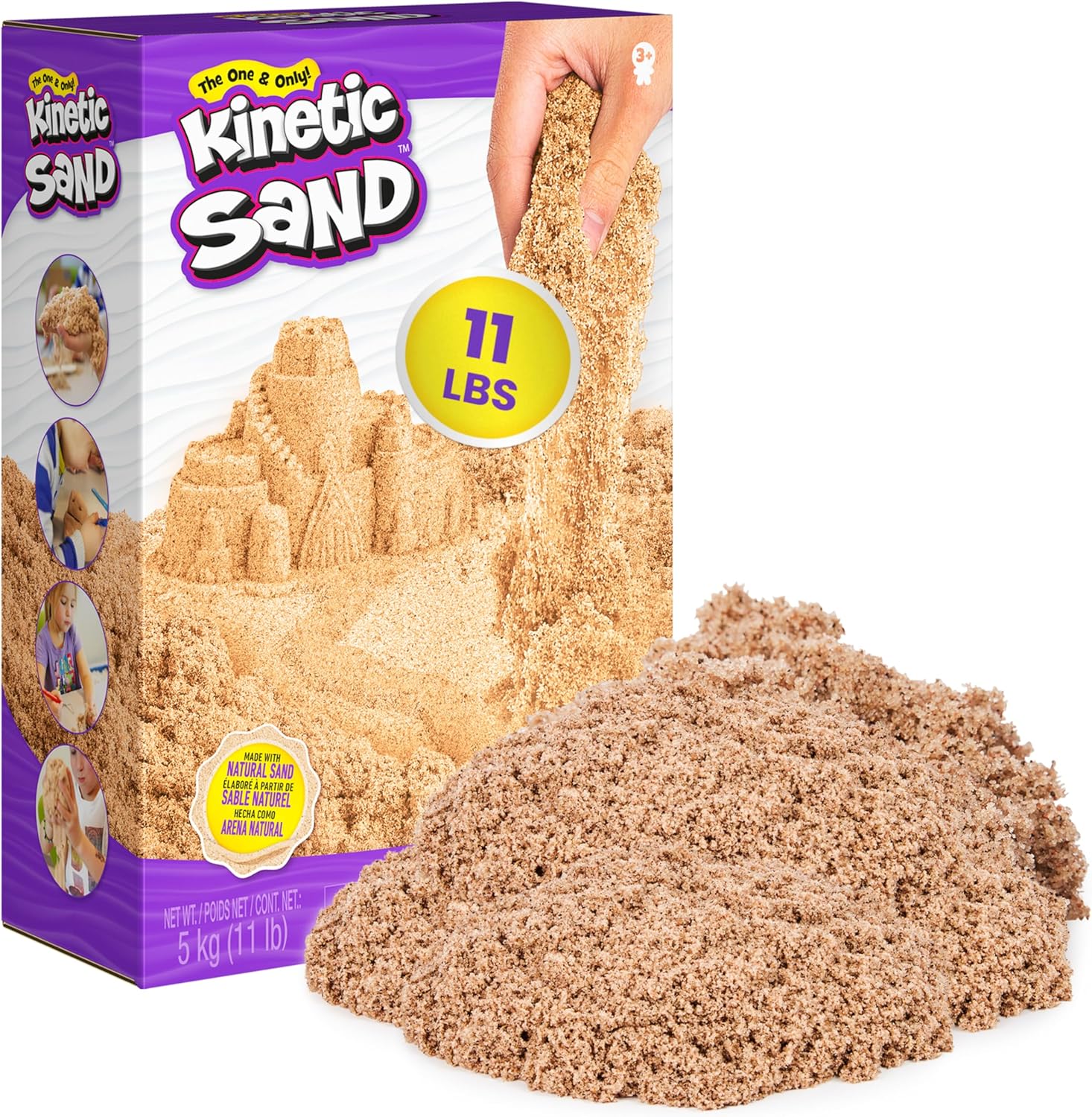
Kinetic sand
Shop on Amazon →
Tools
You can also offer simple tools to extend play and support motor skills. These invite pouring, transferring, mixing, and experimenting, and they add another layer of interest to your child’s play. Some options we love:

Liquid droppers
Shop on Amazon →

Silicone mixing spoons
Shop on Amazon →
Mini plastic cups
Shop on Amazon →

Mixing bowls with pour spout
Shop on Amazon →

Plastic jars with lids
Shop on Amazon →

Art trays
Shop on Amazon →

Flex-grip tongs
Shop on Amazon →

Fine motor tool set
Shop on Amazon →

Kids paint brushes
Shop on Amazon →

Scoops
Shop on Amazon →

Reusable water balloons
Shop on Amazon →

Large ice cube tray
Shop on Amazon →

Extra-large ice cube molds
Shop on Amazon →
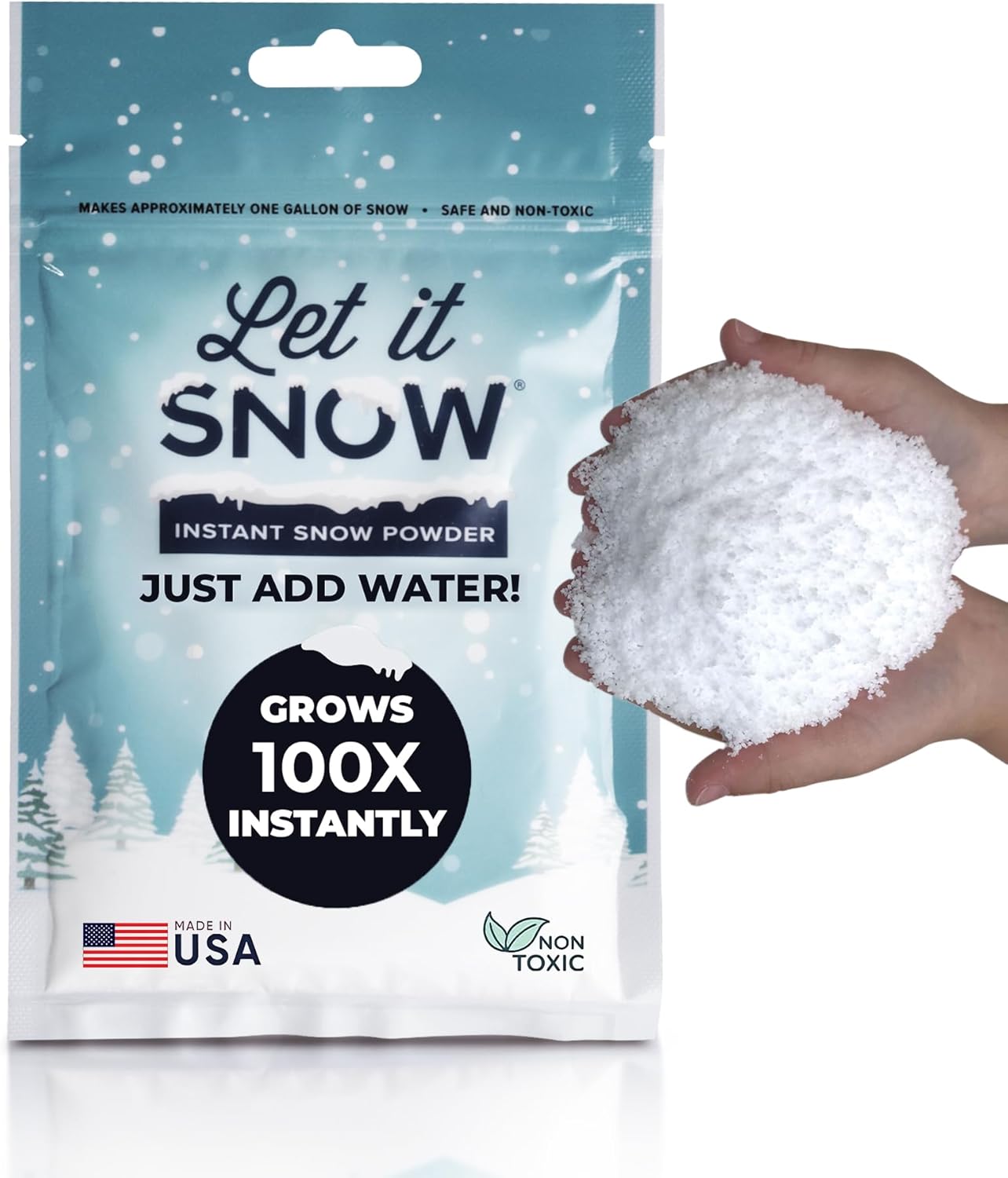
Instant fake snow
Shop on Amazon →
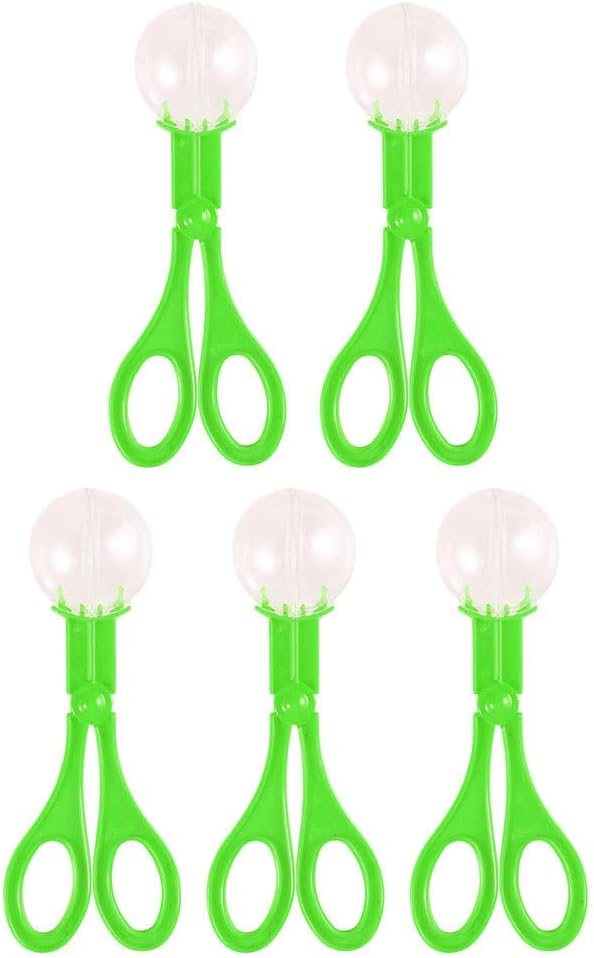
Bug catcher clips
Shop on Amazon →

Nested mixing bowl set
Shop on Amazon →

Art trays (10 pack)
Shop on Amazon →

Water dispenser
Link coming soon
Sponges
Link coming soon
Squeeze bottles
Link coming soon
Spray bottles
Link coming soon
Measuring cups and spoons
Link coming soon
Funnels
Link coming soon
Small Toys
Finally, keep a few small toys nearby that can join the sensory scene. These can become part of your child’s stories and pretend-play themes, making the experience more meaningful and motivating.

Pull-back cars
Shop on Amazon →

Little People Disney Princess set
Shop on Amazon →

Tumbled stones
Shop on Amazon →

Tumbled stones (bulk)
Shop on Amazon →

Polished crystal stones
Shop on Amazon →

Mini resin animals
Shop on Amazon →

Small animal figures
Shop on Amazon →

Arctic animal figures
Shop on Amazon →
Set Up and Play
When you’re setting up, start simple. Offer one toy and 1–2 “ingredients” at a time, along with a couple of tools. Having a nearby water source — a hose, bucket, or large bowl of water — lets your child rinse hands, add water to mixtures, or clean off materials as they experiment. A towel within reach also makes it easier to wipe hands and reset when needed. This is especially important for kids who have tactile sensitivities. You want to make sure they are accessing the materials at their own pace and in ways that feel good to them, without any pressure.
As your child settles into play, you can gradually introduce additional toys or tools to extend their exploration. Try to avoid putting everything out at once, as too many options can be visually overwhelming and may actually reduce their interest and ability to stay engaged.
Videos of our favorite outdoor sensory activities are coming soon.
To Schedule a New Family Consultation
Please click here — we’ll take it from there.